According to the International Maritime Dangerous Goods Code (IMDG Code), BESS is classified as Class 9 hazardous goods, with the United Nations number UN3536. The maritime transportation of BESS primarily involves the following risks: Lithium battery safety risks.
[PDF Version]
Hybrid Energy Storage System (HESS): A lithium-ion and lead-acid hybrid storage architecture with a priority-charging strategy is incorporated, ensuring immediate circuit stability and long-term energy backup under cloudy or low-irradiance conditions, thereby strengthening.
[PDF Version]
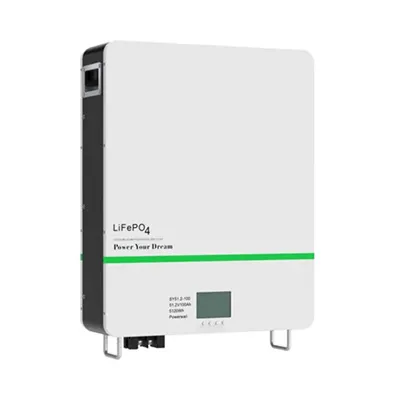
Lithium-ion batteries, recognized for their high energy density and efficiency, favor utilization in modern energy storage cabinets. These batteries operate on the movement of lithium ions between anode and cathode, offering substantial cycle life and minimal maintenance.
[PDF Version]
Let's break down the fundamental equation used by industry professionals: Total Area = (Battery Footprint × Safety Factor) + Auxiliary Space Pro Tip: Always cross-check with your battery supplier's specifications.
[PDF Version]