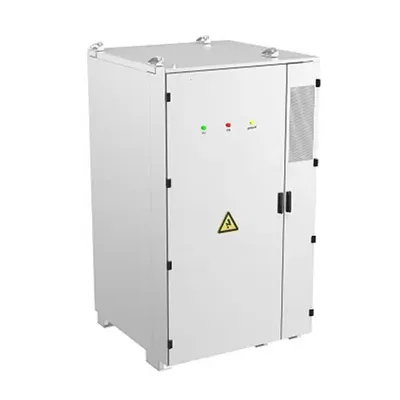
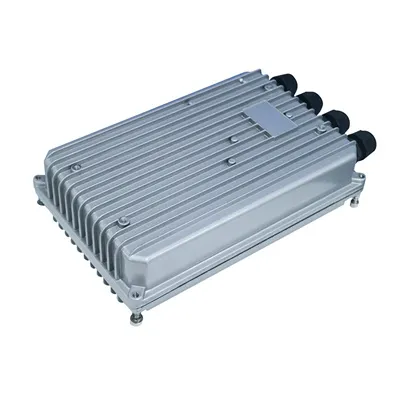
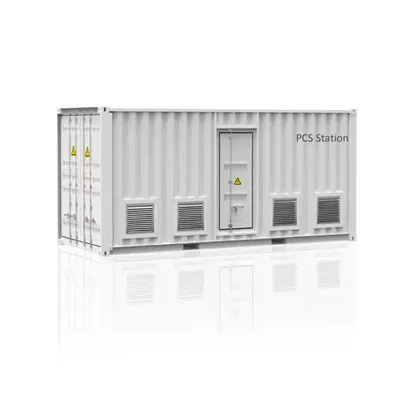
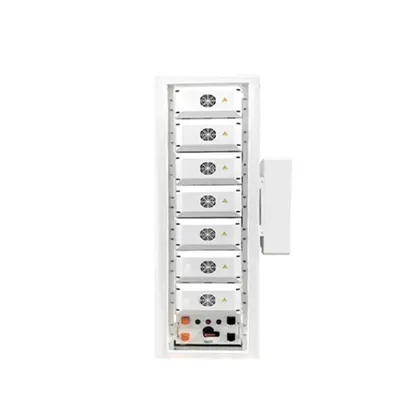
An FAQ overview of US installation codes and standard requirements for ESS, including the 2026 edition of NFPA 855 and updates to UL 9540A.
[PDF Version]
The key is performance on cloudy days: when irradiance is below 500W/m², monocrystalline silicon's generating efficiency is 8% higher than polycrystalline silicon – Sichuan has 60 cloudy/rainy days per year, so monocrystalline silicon generates an extra 150,000 kWh.
[PDF Version]
The vision and long-term goal of the Center for a Solar Powered Future (SPF2050) is to enable the United States and the world to achieve a zero carbon footprint by 2050 using solar energy as a resource. SPF2050 is catalyzing breakthrough pre-competitive research for the solar power.
[PDF Version]
Standard panel thickness ranges from 35-50 millimeters (1. 5-2 inches), with most manufacturers targeting 40mm for optimal balance.
[PDF Version]