A small user network connected to a local supply source – often renewable energy, such as wind or solar – can remain attached to a “big grid” or disconnect from that grid to function independently.
[PDF Version]
Most telecom base stations use 48V battery systems, while some legacy or hybrid sites may have 24V configurations. Lithium systems can be integrated into these architectures with proper BMS and charge control, providing longer life, reduced weight, and lower maintenance.
[PDF Version]
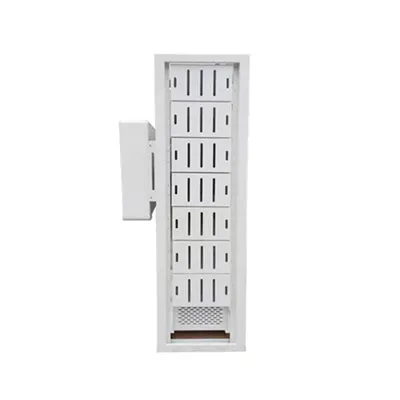
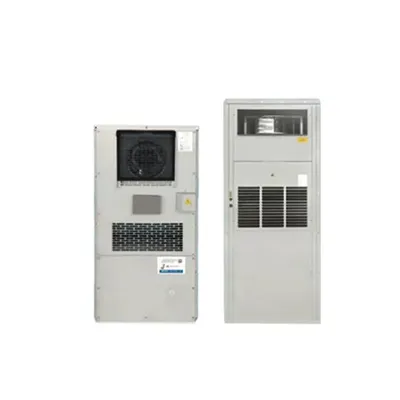
With IP54/IP55 protection, anti-corrosion design, and intelligent temperature control, they are ideal for telecom base stations, remote power supply, and containerized microgrids. Our outdoor cabinets are pre-assembled for quick deployment and can operate reliably under wide.
[PDF Version]
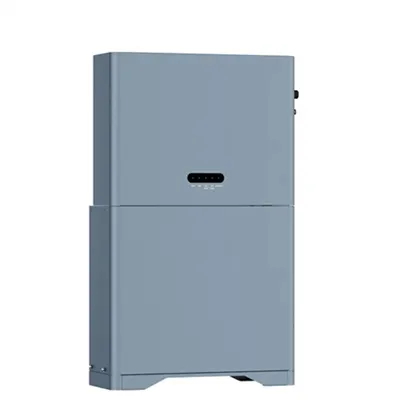
Rated Output Power: 20kW/30KW/50KW Rated Energy: 51. 2 kWh/ 60 kWh/107 kWh Cooling Way: air cooling Warranty: 60-month warranty from the delivery date Certifications: CE, FCC, UN38. 3, UN3480, ISO Datasheet Info Collection Form.
[PDF Version]