This guide explores optimal solar inverter location in residential settings, addressing common concerns like "where to place the inverter in the house" and "solar inverter inside or outside".
[PDF Version]
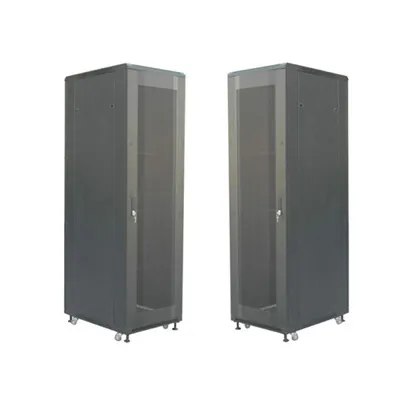
Adhering to established codes for battery cabinets protects your investment, ensures safety, and maximizes performance by preventing thermal issues before they start. Understanding the reasons behind these rules helps reinforce their importance.
[PDF Version]
💡 Year-Round Rule: For a fixed mount, set your tilt angle equal to your latitude. This balances energy production across all seasons and is the standard recommendation for residential solar installations. ⚠️ Azimuth Matters: In the Northern Hemisphere, always face panels due south.
[PDF Version]
To achieve high solar energy conversion, the total iron content must be strictly controlled, usually below 100 ppm, and for premium ultra-clear glass, even below 80 ppm.
[PDF Version]