High temperatures can reduce photovoltaic (PV) panel efficiency and accelerate wear on electrical components. Sensors placed on the panel surface or at the inverter track temperature variations and help identify overheating, shading issues, or system imbalance.
[PDF Version]
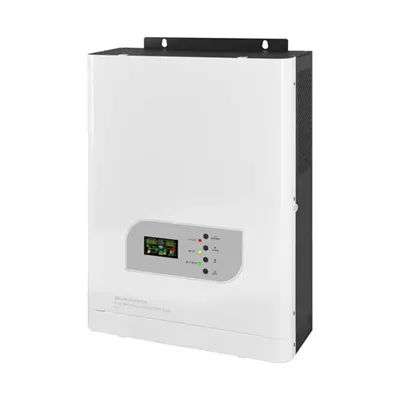
Solar inverters operate by converting the DC output from solar panels into AC electricity suitable for use in homes, businesses, and the grid.
[PDF Version]
Grid connection requires multiple approvals and permits: The permit process typically takes 2-8 weeks and costs $200-$2,000 depending on system size and location, with permits and fees accounting for about 8% of total installation costs.
[PDF Version]
While individual solar cells can be interconnected together within a single PV panel, solar photovoltaic panels can themselves be connected together in parallel strings to form an array of interconnected panels increasing the total available power output for a particular solar.
[PDF Version]