As we approach 2025, the landscape of EV charging is undergoing rapid transformation, fueled by a combination of technological advancements, regulatory incentives, and evolving consumer needs. Let's explore the trends and innovations that are set to shape the future of EV charging.
[PDF Version]
Bidirectional charging requires a bidirectional vehicle and a bidirectional electric vehicle supply equipment (EVSE) to discharge (Figure 1).
[PDF Version]
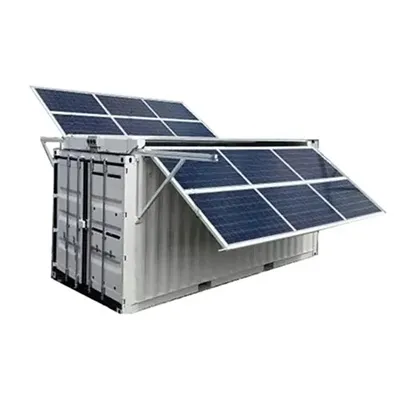
Modern solar generators with electric charging capabilities use an integrated hybrid inverter-charger that manages multiple power inputs.
[PDF Version]
Applying the characteristics of energy storage technology to the charging piles of electric vehicles and optimizing them in conjunction with the power grid can achieve the effect of peak-shaving and valley-filling, which can effectively cut costs.
[PDF Version]