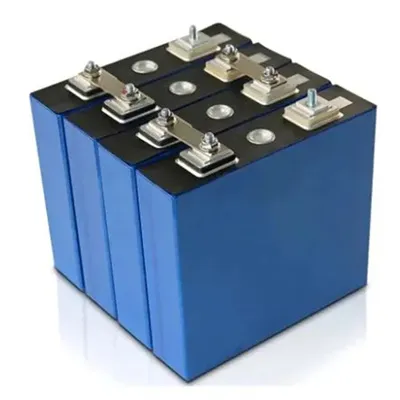
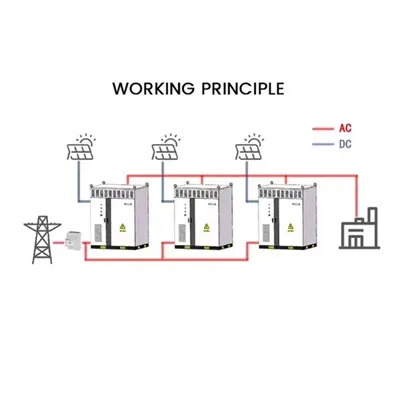
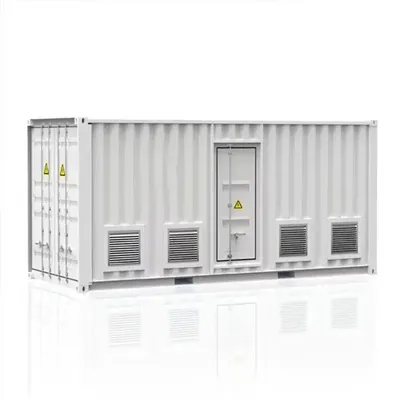
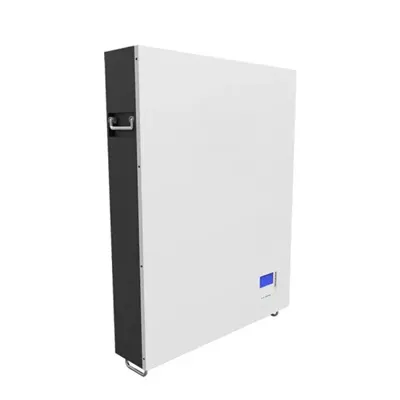
Unlike residential batteries, which are typically compact units, commercial systems integrate multiple battery packs into a containerized cabinet to meet higher capacity demands. These lithium-ion battery packs offer high energy density, long cycle life, and modular scalability.
[PDF Version]
In 2025, the typical cost of commercial lithium battery energy storage systems, including the battery, battery management system (BMS), inverter (PCS), and installation, ranges from $280 to $580 per kWh. Larger systems (100 kWh or more) can cost between $180 to $300 per kWh.
[PDF Version]
Vanadium redox batteries are a type of flow battery that uses vanadium ions in different oxidation states to store and release energy. Unlike traditional batteries, VRBs store energy in liquid electrolytes contained in external tanks, allowing for easy scalability.
[PDF Version]
Lithium Iron Phosphate (LiFePO4) batteries outperform lead-acid in server rack applications due to longer lifespan (3,000+ cycles), higher energy density, and minimal maintenance. Lead-acid batteries are cheaper upfront but require frequent replacements and incur higher long-term.
[PDF Version]