First-generation flywheel energy-storage systems use a large steel flywheel rotating on mechanical bearings. Newer systems use carbon-fiber composite rotors that have a higher tensile strength than steel and can store much more energy for the same mass.OverviewFlywheel energy storage (FES) works by spinning a rotor () and maintaining the energy in the system as. When energy is extracted from the system, the flywheel's rotational speed is reduced a.
[PDF Version]
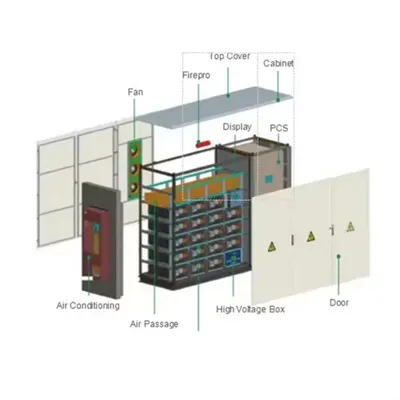
The system integrates high-safety, long-lifespan lithium iron phosphate (LFP) battery cells supplied by CATL, combined with an efficient intelligent air-cooling thermal management system and multi-layer fire protection design to ensure long-term operational stability and enhanced.
[PDF Version]
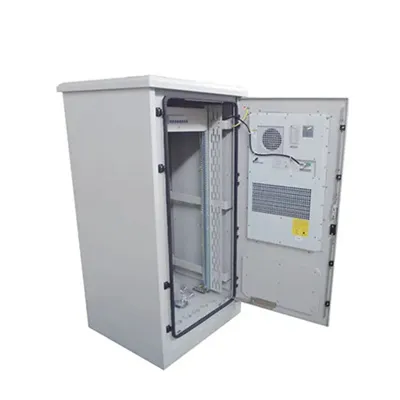
Featuring an IP55/IP65-rated enclosure, it offers excellent resistance to water, ဖုံ, and corrosion, making it ideal for solar energy, wind-solar hybrid, off-grid, and industrial backup power systems.
[PDF Version]
Recent pricing trends show standard industrial systems (1-2MWh) starting at $330,000 and large-scale systems (3-6MWh) from $600,000, with volume discounts available for enterprise orders.
[PDF Version]