This article will introduce in detail how to design an energy storage cabinet device, and focus on how to integrate key components such as PCS (power conversion system), EMS (energy management system), lithium battery, BMS (battery management system), STS (static.
[PDF Version]
In a lithium-ion battery energy storage system, the BMS serves as the brain of the battery pack. It constantly monitors cell voltage, temperature, current, and ensures battery safety through multi-level protection mechanisms.
[PDF Version]
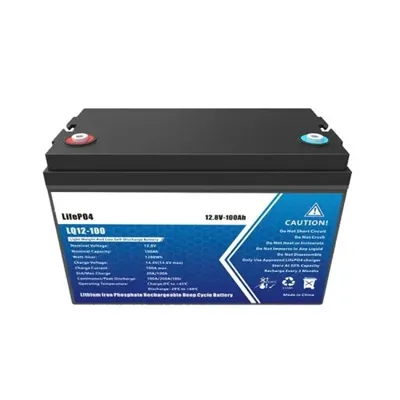
Start by understanding your battery's core characteristics to ensure compatibility with the BMS: Identify the lithium battery chemistry: Ternary Lithium (NCM/NCA), LiFePO4 (LFP), or others. Each type has unique voltage profiles and safety requirements.
[PDF Version]
The three-layer battery management system (BMS) architecture comprises a battery array management unit (BAMU) as the primary controller, a second-level battery cluster management unit (BCMU), and a third-level battery monitoring unit (BMU).
[PDF Version]