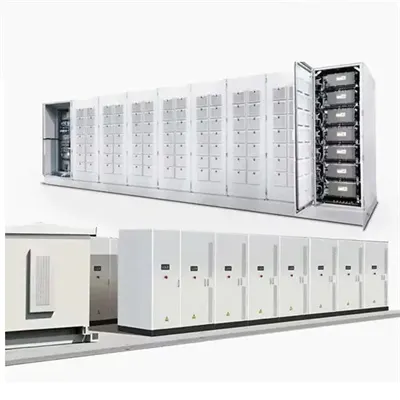
In contrast to EV batteries, where the focus is on improving energy density to boost range and reducing charging time, the priorities for ESS batteries are cost, durability and storage duration.
[PDF Version]
Solar panels used in residential, commercial and utility-scale solar installations must comply with internationally recognized technical standards. These standards define requirements for module reliability, electrical safety, performance verification, and manufacturing quality.
[PDF Version]
NFPA 800 is being developed as a robust safety standard that covers the full lifecycle of battery systems — from manufacturing through end-of-life management.
[PDF Version]
The free guide, published together by the Global Water Center, Water Mission and UNICEF, provides detailed guidance on all technical topics pertinent to the design and installation of solar powered water systems within a rural water supply context.
[PDF Version]